Why Most Alberta Farm Solar Installs Underperform — And What Rocky View County Farmers Are Doing Differently
Most farm solar installs in Alberta take far longer to pay back than the sales pitch promised. The problem isn't the technology — it's the order of operations and what gets measured before a panel is specified.
If you've been approached by a solar company in the last two years, you've probably heard the same pitch: send us your last 12 months of bills, we'll calculate your system size, and you'll have your money back in just a few years.
For a lot of Rocky View County farms and commercial operations, that promise hasn't held up.
Fast paybacks are achievable — but only when the system is designed correctly, sized against the right load profile, and installed after the operation has already been optimized. When those conditions aren't met, the payback stretches to a decade or more. And in Alberta's current interest rate environment, that's the difference between a strong investment and a mediocre one.
The Problem Starts With How Alberta Utility Bills Are Structured
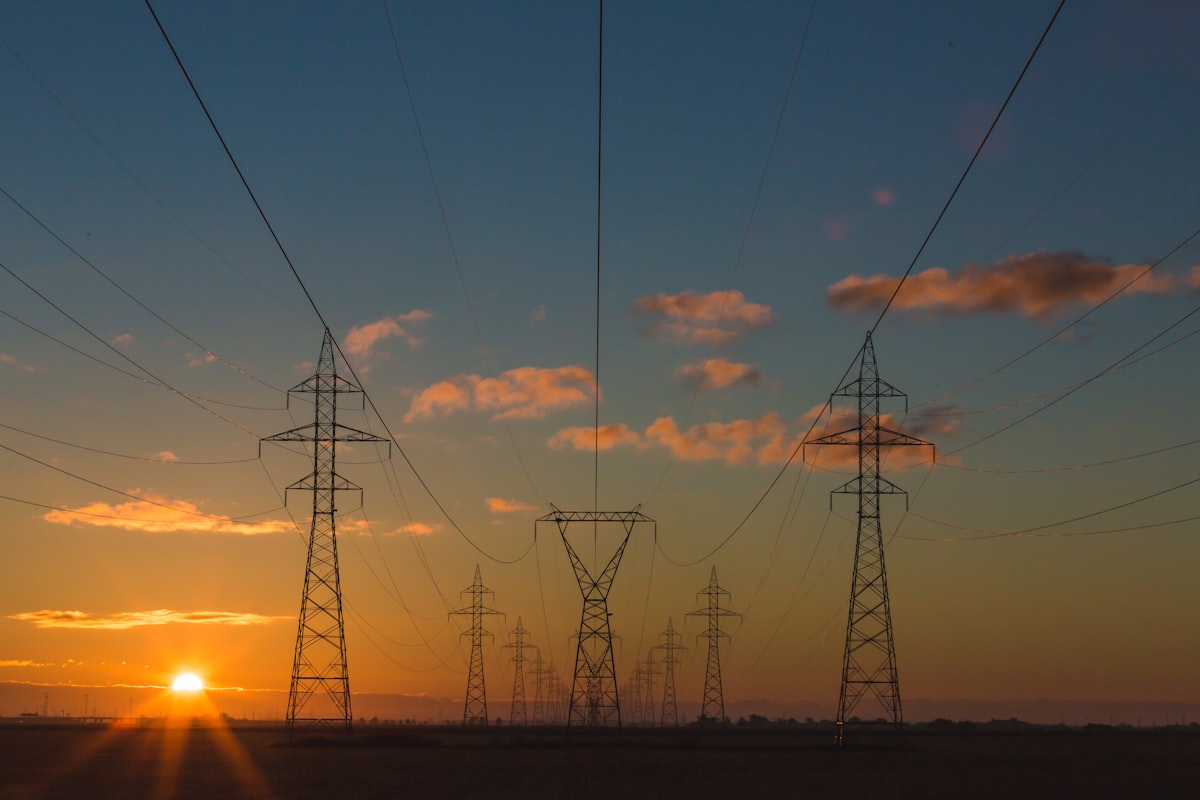
Alberta electricity bills are not simple documents. A typical commercial or farm account with ATCO Electric or Fortis Alberta includes energy charges, demand charges, distribution charges, transmission charges, local access fees, rate riders, and in some cases, time-of-use components.
The critical number that most solar companies miss is demand charge.
Demand charges are billed based on your peak consumption in any 15-minute interval during the billing period — not your total energy use. On a farm with grain drying equipment, a large shop, or irrigation pumps, demand charges can represent 30–50% of the total electricity bill. Solar panels generate energy over time, but they do nothing to reduce a demand spike that happens at 7am on a Tuesday in September.
A system sized purely on kilowatt-hour consumption — which is how most solar proposals are calculated — will offset energy charges but leave demand charges largely untouched. The result is a system that looks good on paper but delivers a fraction of the promised savings.
Rocky View County operations tend to have complex load profiles: grain handling, heated shops, irrigation, and in many cases, multiple meters across the same property. Getting the system design right requires understanding all of those loads before a panel is specified.
Why the Microgen Application Matters More Than Most People Realize
Alberta's Micro-generation Regulation allows property owners to generate their own electricity and receive a credit for surplus power sent back to the grid. For farms and commercial operations, this is the mechanism that makes solar financially viable — but it has to be done correctly.
The microgen credit is applied to your energy charges. It does not offset demand charges, distribution charges, or transmission fees. This is another reason why a system sized purely on energy consumption can disappoint: if your bill is dominated by charges that microgen credits don't touch, the offset is smaller than projected.
There's also a sizing constraint. The microgen regulation limits system size relative to your historical consumption. Systems that are oversized relative to your actual usage don't receive full credit for their surplus generation — the economics break down quickly.
For Rocky View County farms, which often have seasonal consumption patterns driven by harvest and grain drying, the microgen application needs to account for year-round load variation. A system sized against a peak-consumption month will be oversized for the rest of the year.
What Rocky View County Operations Are Getting Right
The farms and commercial properties in Rocky View County that are getting solar economics right share a common approach: they start with an energy assessment, not a solar proposal.
Before any system is sized or any installer is contacted, they understand exactly what's driving their electricity costs. That means a line-by-line review of 12 months of utility bills — breaking out energy charges, demand charges, and every fee on the bill. It means identifying which loads are driving demand peaks and whether those peaks can be shifted or reduced. It means understanding the rate structure they're on and whether a different rate class would reduce their baseline costs.
In many cases, this assessment reveals demand reduction opportunities that, when addressed before solar is installed, dramatically change the system economics. An operation that reduces its peak demand by 20–30% before installing solar ends up with a smaller, cheaper system that delivers a higher percentage offset of the remaining bill.
The sequence matters: assess first, optimize second, install third.
The Grant Picture in Rocky View County
Rocky View County operations have access to several funding programs that can meaningfully improve solar ROI — but these programs require proper documentation and are often missed when an installer is managing the project without a dedicated grant navigator.
The On-Farm Energy Management (OFEM) program through Agriculture and Agri-Food Canada provides funding for energy assessments and energy efficiency upgrades, including solar. The Canada Greener Homes Grant and the Clean Technology Investment Tax Credit (30% refundable ITC for eligible clean energy equipment) are available to qualifying operations. Alberta's Emissions Reduction Alberta programs have historically provided additional support for commercial-scale projects.
Stacking these programs correctly — ensuring the timing, documentation, and eligibility requirements are met for each — can reduce the net capital cost of a solar project by 20–40%. That improvement in capital cost directly accelerates payback.
One More Thing Worth Stating Clearly
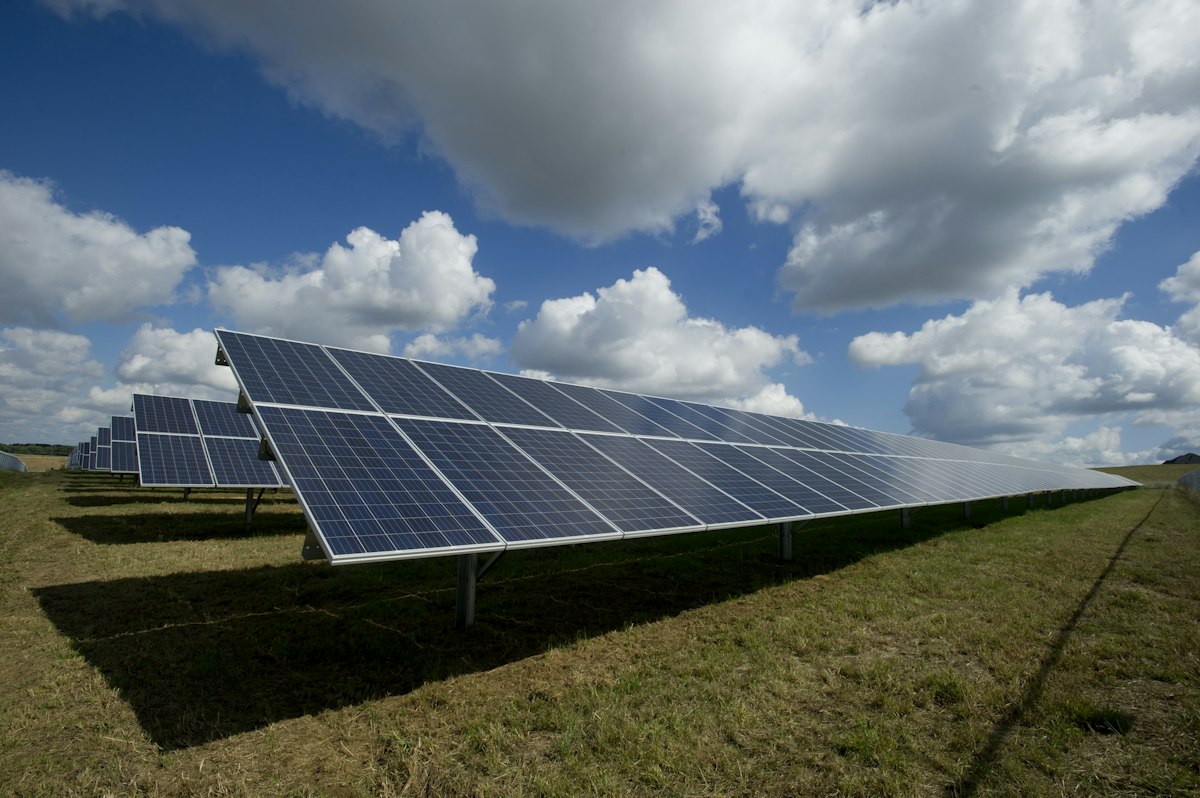
QuotePath does not promote putting solar on productive farmland. When a ground-mount system makes sense, it goes on unusable land — rocky ground, low spots, areas that don't contribute to the operation. Alberta's farmland is too valuable to cover with panels. Rooftop and building-mounted systems are the primary installation type for most farm operations, and they're where the strongest economics typically are.
The Bottom Line for Rocky View County Farms
Solar works in Alberta. The technology is proven, the economics are real, and Rocky View County's combination of solar irradiance, agricultural load profiles, and available grant programs makes it one of the better regions in the province for building-mounted solar investment.
But the difference between a 5-year payback and a 10-year payback comes down to how the project is approached — not which panels are installed.
If you're considering solar for your Rocky View County operation, the right first step is a free energy assessment that looks at your full cost picture before any system is sized. That assessment will tell you exactly what's driving your costs, what the realistic ROI looks like, and which grants you qualify for.
QuotePath provides free energy assessments for farms and commercial operations across Rocky View County, Cochrane, Airdrie, Crossfield, Beiseker, and surrounding areas. Call Darryl White at 403.608.3750 or email darryl@quotepath.ca.
Free Energy Assessment
Talk to Darryl White
Rocky View County, Airdrie, Cochrane, Crossfield, Carstairs, and surrounding areas. No commitment — just a clear picture of your energy costs and options.