Alberta Demand Charges Explained: What Rocky View County Farms and Commercial Operations Need to Know
Demand charges routinely represent 30–50% of Alberta commercial electricity bills — and they're the line item most energy upgrade proposals fail to address. Here's how they work and how to reduce them.
If you've looked at a commercial or farm electricity bill in Alberta and wondered why the total is so much higher than the energy you actually used, demand charges are almost certainly the answer.
For farms and commercial operations in Rocky View County and across rural Alberta, demand charges routinely represent 30–50% of the total electricity bill — sometimes more. They're also the line item that most energy upgrade proposals fail to address properly, which is why so many solar and LED projects deliver less savings than promised.
Understanding how demand charges work is the first step to reducing them.
What Is a Demand Charge?
An energy charge is straightforward: you pay for the total number of kilowatt-hours you consume over the billing period. The more electricity you use, the more you pay.
A demand charge works differently. It's based on your peak consumption — specifically, the highest rate at which you drew power from the grid during any 15-minute interval in the billing period. That peak is measured in kilowatts (kW), and you're billed a fixed rate per kilowatt of peak demand, regardless of how long that peak lasted or how much energy you consumed overall.
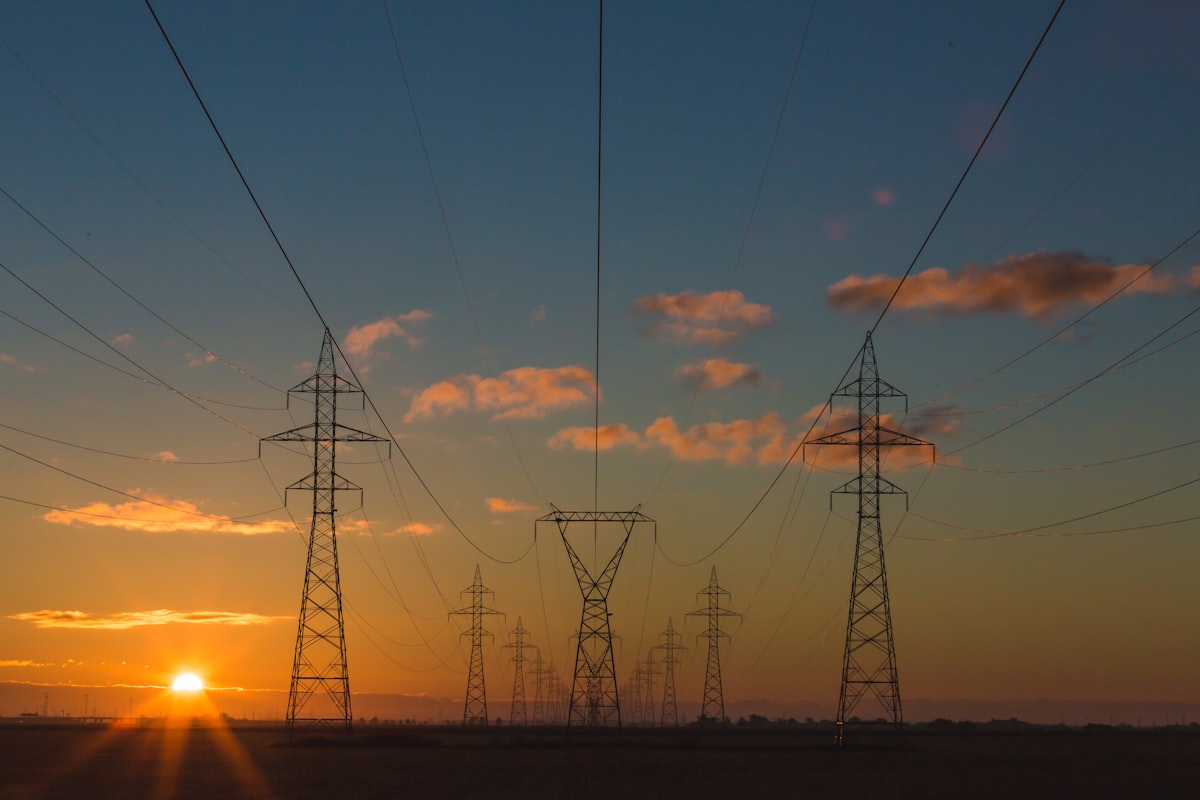
The logic behind demand charges is that the electrical grid has to be built to handle peak loads. If your operation draws 200 kW for 15 minutes at 7am on a Tuesday in September, the utility has to have the infrastructure capacity to deliver that power — even if you only draw that much once all month. The demand charge is how utilities recover the cost of maintaining that capacity.
For a Rocky View County grain operation running a large grain dryer, the peak demand during harvest can be dramatically higher than the average demand during the rest of the year. That single harvest-season peak can set the demand charge for the entire billing period.
How Demand Charges Appear on Your Alberta Bill
Alberta electricity bills are structured differently depending on your utility (ATCO Electric or Fortis Alberta) and your rate class. The terminology varies, but the concept is consistent.
On a Fortis Alberta commercial bill under Rate 22 (Small Commercial) or Rate 31 (Medium Commercial), you'll typically see a Distribution Demand Charge billed per kW of peak demand, a Transmission Demand Charge for system capacity, and a separate Energy Charge for kilowatt-hour consumption.
On an ATCO Electric commercial bill, similar components appear under different line items, but the structure is the same: a portion of your bill is calculated based on your peak demand, not your total consumption.
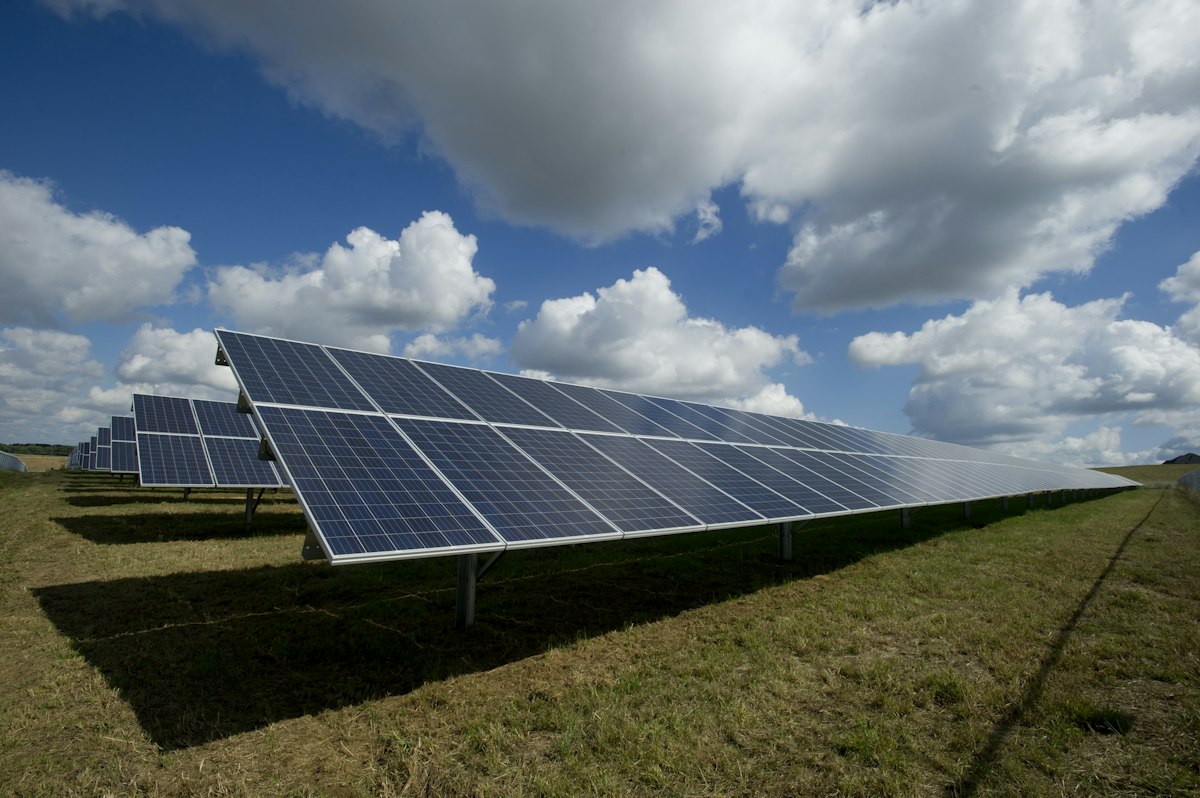
The critical point is that solar panels and LED lighting reduce your energy charge, but they have limited impact on demand charges unless the project is specifically designed to address demand peaks. A solar system that generates 80% of your annual energy consumption might only reduce your total bill by 40–50% if demand charges are a large portion of what you're paying.
Why Demand Peaks Happen on Alberta Farms
Rocky View County operations tend to have load profiles that create significant demand peaks for a few specific reasons.
Grain drying is the most common culprit on grain farms. A large grain dryer can draw 100–200 kW or more. If it starts up at the same time as other major loads — shop lighting, augers, conveyors — the combined demand peak can be substantial. The dryer runs for a concentrated period during harvest, which means the peak demand charge applies to the entire billing period even though the high-demand equipment only runs for a few weeks.
Heated shops and equipment storage contribute meaningfully to winter demand. Electric heating elements, compressors, and welding equipment all draw significant power. If multiple pieces of equipment are running simultaneously, the demand peak climbs quickly.
Irrigation pumps on operations with irrigation systems create summer demand peaks. Large pump motors draw significant power at startup, and if multiple pumps are running simultaneously, the combined demand can be substantial.
Strategies for Reducing Demand Charges
Reducing demand charges requires either reducing the peak itself or shifting loads so they don't occur simultaneously. Several strategies are effective for Rocky View County operations.
Load scheduling is the simplest and often most cost-effective approach. If your grain dryer, shop compressor, and other major loads can be scheduled to avoid running simultaneously, the combined peak demand drops. This doesn't require any capital investment — just operational awareness and, in some cases, simple timers or controls.
Soft starters and variable frequency drives (VFDs) reduce the startup current draw of large motors. Electric motors draw significantly more current at startup than during normal operation. A soft starter or VFD ramps the motor up gradually, reducing the startup demand spike.
LED lighting reduces the demand contribution from lighting loads. While lighting is rarely the primary driver of demand peaks on farms, it contributes to the baseline demand that other loads are added to. Reducing the lighting baseline gives more headroom before the peak demand threshold is reached.
Energy management systems (EMS) provide real-time monitoring and automated load control. An EMS can monitor demand in real time and automatically shed non-critical loads when demand approaches a threshold, preventing peaks from occurring.
What This Means for Solar and LED Projects
Understanding demand charges changes how you should evaluate any energy upgrade proposal.
A solar proposal that shows you offsetting 80% of your energy consumption sounds compelling. But if demand charges represent 40% of your bill, and the solar system does nothing to reduce those demand charges, the actual bill reduction is much smaller than the headline number suggests.
The right approach is to start with a full energy assessment that breaks down your bill by component — energy charges, demand charges, distribution charges, transmission charges, and other fees. That breakdown tells you exactly where your money is going and which upgrade strategies will have the most impact.
Getting a Demand Analysis for Your Rocky View County Operation
QuotePath provides free energy assessments for farms and commercial operations across Rocky View County, Airdrie, Cochrane, Crossfield, Carstairs, Beiseker, and surrounding areas. The assessment includes a full bill breakdown — energy charges, demand charges, and every other fee — along with specific recommendations for reducing each component.
If you've been quoted a solar or LED project without a detailed demand analysis, that's worth a second look before committing capital.
Call Darryl White at 403.608.3750 or email darryl@quotepath.ca to get started.
Free Energy Assessment
Talk to Darryl White
Rocky View County, Airdrie, Cochrane, Crossfield, Carstairs, and surrounding areas. No commitment — just a clear picture of your energy costs and options.