LED Lighting Before Solar: Why the Order Matters for Rocky View County Farms
Installing solar before upgrading to LED lighting is one of the most common and costly mistakes on Alberta farms. The sequence changes the system size, the capital cost, and the ROI — significantly.
There's a sequencing mistake that shows up repeatedly on Alberta farm and commercial solar projects — and it costs operations tens of thousands of dollars in oversized systems and missed savings.
The mistake is installing solar before upgrading to LED lighting.
It sounds counterintuitive. Solar is the big investment, the headline project. LED lighting feels like a smaller, less exciting upgrade. But the order in which you do these things has a significant impact on the economics of both — and getting it wrong means you pay more for solar than you needed to, and you don't get the full benefit of either investment.
How LED Upgrades Change the Solar Equation
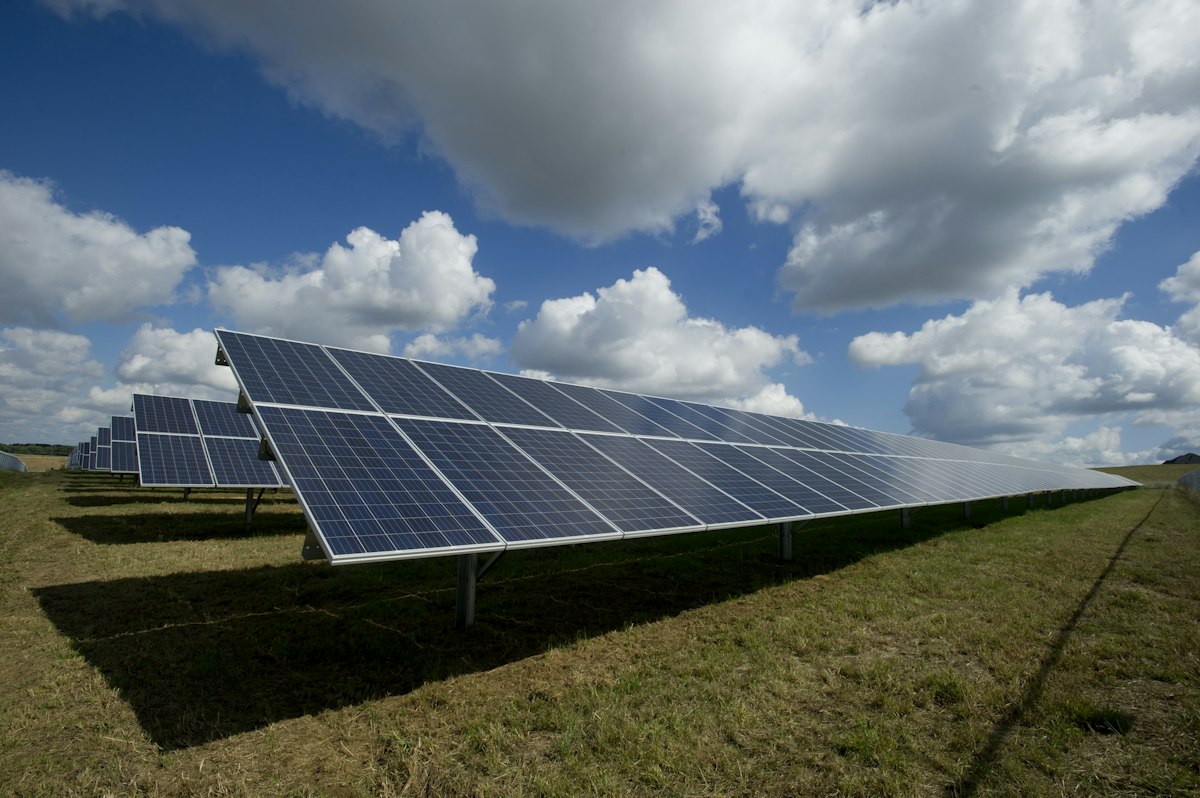
Solar systems are sized based on your energy consumption. The more electricity you use, the larger the system required to offset a meaningful percentage of your bill. A larger system means more panels, more racking, more inverter capacity, and more capital cost.
When you upgrade your lighting to LED before sizing a solar system, you reduce your baseline consumption — sometimes significantly. A large grain operation or commercial shop in Rocky View County running high-bay metal halide or fluorescent fixtures can reduce lighting-related energy consumption by 60–75% with a properly designed LED upgrade. For operations with large heated shops, equipment storage buildings, or processing facilities, that reduction can be substantial in absolute kilowatt-hour terms.
The impact on solar sizing is direct: a lower consumption baseline means a smaller, less expensive solar system achieves the same percentage offset. In many cases, the capital cost reduction in the solar system is larger than the cost of the LED upgrade itself — meaning the LED project effectively pays for itself through the solar savings it enables, before you even account for the direct energy savings from the LED upgrade.
The Demand Charge Connection
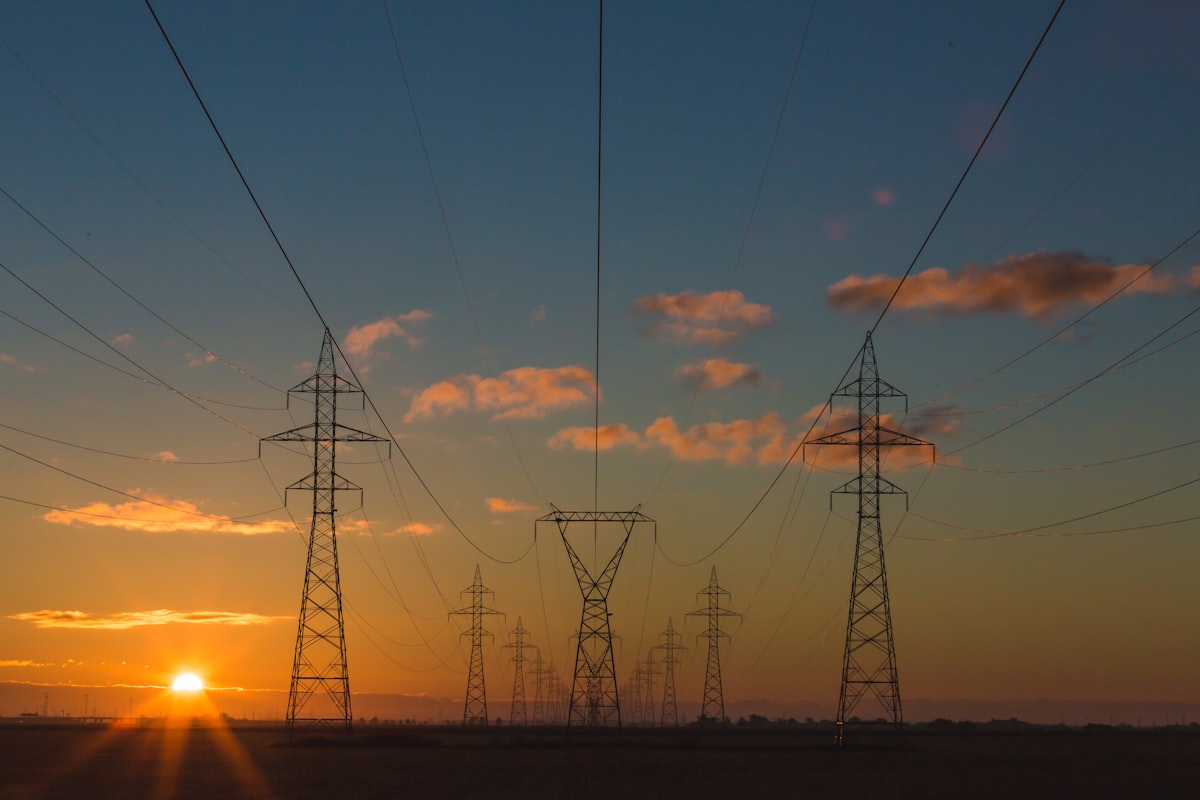
LED upgrades don't just reduce energy consumption — they reduce demand. And in Alberta, demand charges are often the single largest line item on a commercial or farm electricity bill.
Demand charges are calculated based on your peak consumption in any 15-minute interval during the billing period. High-intensity discharge lighting — metal halide, high-pressure sodium, and older fluorescent systems — draws significantly more power at startup and during operation than equivalent LED fixtures. In a large shop or storage building where multiple fixtures are switched on simultaneously, the demand contribution from lighting can be meaningful.
Reducing lighting demand through LED upgrades lowers your demand charge baseline. For Rocky View County operations on ATCO Electric or Fortis Alberta commercial rates, demand charges can represent 30–50% of the total bill. Any strategy that reduces demand — including LED lighting — directly improves the ROI of every other energy investment.
What a Properly Designed LED Upgrade Looks Like
Not all LED upgrades deliver the same results. The lighting market has expanded rapidly, and there is significant variation in product quality, fixture design, and installation approach. An upgrade that uses the wrong fixtures for the application, underspecifies lumen output, or fails to account for the specific use of each space will disappoint.
A proper LED assessment for a Rocky View County farm or commercial operation starts with a lighting audit: documenting every existing fixture, its wattage, its operating hours, and the specific task it's performing. From that audit, a replacement specification is developed that maintains or improves light levels while reducing energy consumption.
For agricultural buildings — shops, equipment storage, livestock facilities, grain handling areas — the fixture selection needs to account for dust, moisture, vibration, and temperature range. A fixture that works well in a climate-controlled office building may fail within a year in an unheated Alberta shop.
The audit also identifies which fixtures are highest priority based on operating hours and energy consumption. A fixture that runs 12 hours a day has a very different payback profile than one that runs 2 hours a day. Prioritizing the high-use fixtures first maximizes early savings and improves overall project ROI.
Grant Programs for LED Upgrades in Rocky View County
LED lighting upgrades for farms and commercial operations in Rocky View County are eligible for several funding programs that can significantly reduce net capital cost.
The On-Farm Energy Management (OFEM) program through Agriculture and Agri-Food Canada provides funding for both energy assessments and energy efficiency upgrades, including LED lighting. The program covers a portion of eligible project costs and requires a pre-project energy assessment — which is exactly the right starting point regardless of funding.
The Canada Greener Homes Grant and various provincial programs have historically covered LED upgrades for eligible property types. Stacking these programs correctly — and ensuring the documentation requirements are met before work begins — can reduce the net cost of an LED project by 20–40%.
The Right Sequence for Rocky View County Operations
The operations in Rocky View County that are achieving the best combined ROI from energy projects follow a consistent sequence:
First, a comprehensive energy assessment that identifies all cost drivers — energy charges, demand charges, lighting loads, major equipment loads, and rate structure.
Second, LED lighting upgrades targeting the highest-consumption fixtures and spaces. This reduces the baseline consumption and demand that solar will be sized against.
Third, solar system design and installation, sized against the post-LED consumption baseline. The system is smaller, less expensive, and achieves a higher percentage offset of the remaining bill.
Fourth, ongoing energy management — monitoring consumption, managing demand peaks, and identifying further optimization opportunities as the operation evolves.
This sequence consistently delivers better combined ROI than installing solar first and adding LED later. It also tends to surface grant opportunities that apply across multiple project phases, which a single-project approach often misses.
Starting the Conversation
If you're considering either solar or LED lighting for your Rocky View County operation — or both — the right starting point is a free energy assessment that looks at your full cost picture.
QuotePath provides free energy assessments for farms and commercial operations across Rocky View County, Cochrane, Airdrie, Crossfield, Carstairs, Didsbury, Olds, and surrounding areas. Call Darryl White at 403.608.3750 or email darryl@quotepath.ca to get started.
Free Energy Assessment
Talk to Darryl White
Rocky View County, Airdrie, Cochrane, Crossfield, Carstairs, and surrounding areas. No commitment — just a clear picture of your energy costs and options.