LED Barn Lighting in Alberta: The ROI Numbers You Need to See
LED barn lighting upgrades in Alberta typically pay back in 2–3 years. Here's a straightforward look at the numbers for common barn lighting scenarios.
LED barn lighting is one of the most straightforward energy investments available to Alberta farm operations. The technology is proven, the payback is fast, and the ongoing savings are consistent. Here's a look at the actual numbers for common barn lighting scenarios.
What Most Alberta Barns Are Running
The most common lighting technologies in Alberta agricultural buildings are:
- T8 fluorescent tubes — common in older barns and shop buildings, typically 32–40 watts per tube
- T5 high-output fluorescent — found in newer facilities, more efficient than T8 but still significantly less efficient than LED
- Metal halide (HID) — common in high-bay applications like large shops, machine sheds, and arena buildings. Typically 250–1000 watts per fixture
- High-pressure sodium (HPS) — older technology in some facilities, typically 150–400 watts per fixture
All of these can be replaced with LED equivalents that use 50–70% less energy while delivering equal or better light levels.
Sample ROI Calculation: Livestock Barn
A typical 200-head livestock barn scenario:
- Current lighting: 40 x T8 fluorescent fixtures, 2 tubes each at 40W = 3,200 watts total
- Daily operating hours: 14 hours (5am–7pm for operations)
- Annual energy consumption for lighting: 3.2 kW × 14 hrs × 365 days = 16,352 kWh/year
- At $0.14/kWh average Alberta farm rate: $2,289/year in lighting energy costs
After LED retrofit:
- Replacement: 40 x LED fixtures at 18W each = 720 watts total (78% reduction)
- Annual energy consumption: 0.72 kW × 14 hrs × 365 days = 3,679 kWh/year
- Annual energy cost: $515/year
- Annual saving: $1,774/year
A typical LED retrofit for this barn — 40 fixtures with installation — runs $6,000–$9,000. At $1,774 annual savings, that's a 3.4–5.1 year payback. After payback, the savings continue for 15+ years.
Sample ROI Calculation: Machine Shop with Metal Halide
A large machine shop scenario (common on grain farms):
- Current lighting: 12 x 400W metal halide high-bay fixtures
- Total wattage: 4,800 watts (not counting ballast losses, which add ~10%)
- Daily hours: 10 hours average
- Annual consumption: 4.8 kW × 10 hrs × 365 days = 17,520 kWh/year
- Annual cost at $0.14/kWh: $2,453/year
After LED retrofit:
- Replacement: 12 x 150W LED high-bay fixtures
- Annual consumption: 1.8 kW × 10 hrs × 365 days = 6,570 kWh/year
- Annual cost: $920/year
- Annual saving: $1,533/year
LED high-bay retrofit for 12 fixtures with installation: approximately $5,000–$7,500. Payback: 3.3–4.9 years. And metal halide fixtures also have significant lamp replacement costs — LED eliminates those entirely.
The Demand Charge Bonus
For farms on agricultural or commercial rate structures with demand charges, LED lighting upgrades reduce not just energy consumption but also the facility's contribution to peak demand. Replacing 4,800 watts of metal halide with 1,800 watts of LED permanently reduces that shop's demand by 3 kW — which shows up as a reduction in your kVA billing every month the lights run.
LED Before Solar
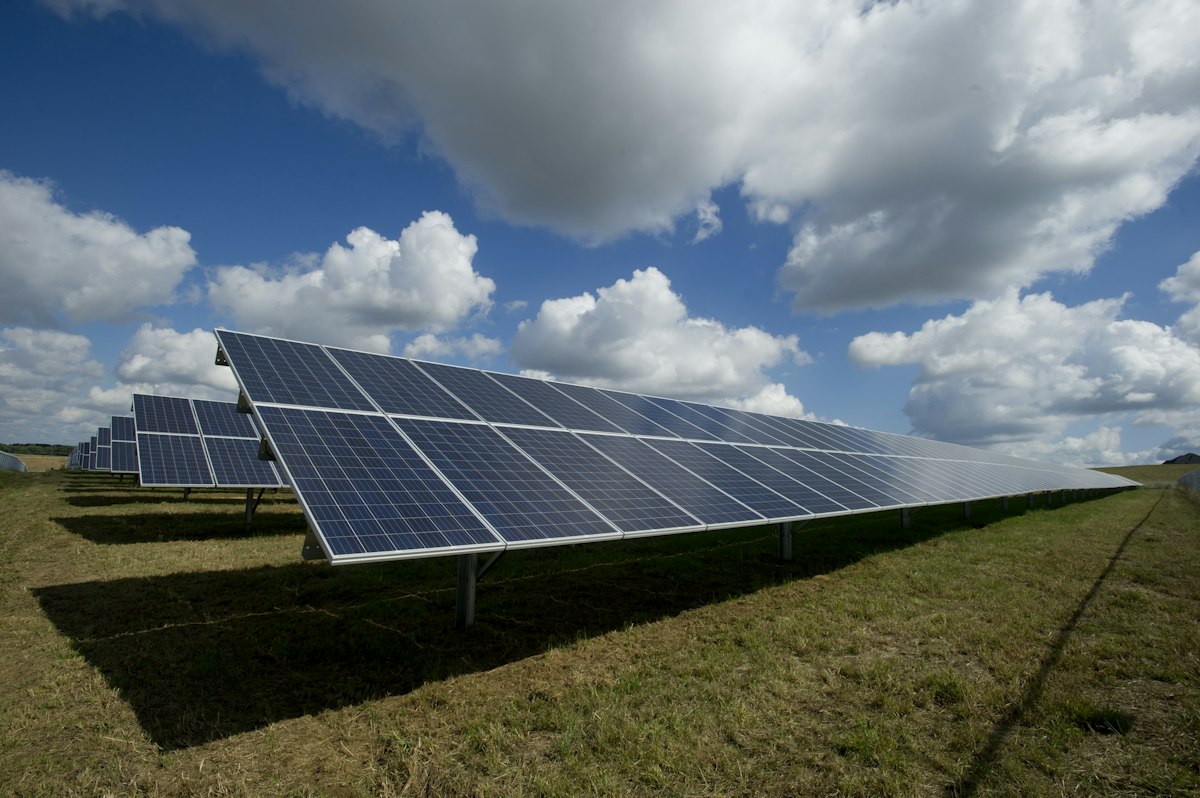
If you're considering solar, doing the LED upgrade first reduces your total energy load — which means you need a smaller solar system to cover the same percentage of your bill. Smaller system means lower upfront cost and faster solar payback. QuotePath always recommends auditing the full energy picture before committing to solar, and LED lighting is frequently the first recommendation. Book your free energy audit to get the full analysis for your operation.
Free Energy Assessment
Talk to Darryl White
Rocky View County, Airdrie, Cochrane, Crossfield, Carstairs, and surrounding areas. No commitment — just a clear picture of your energy costs and options.