Fortis Alberta Rate 21 vs Rate 22: What's the Difference and Which Are You On?
Most Alberta farm and commercial operators don't know which Fortis rate they're on — or whether it's the right one. Here's a plain-language explanation of Rate 21 vs Rate 22 and why it matters.
If your farm or commercial operation is served by Fortis Alberta, you're billed under one of their commercial or agricultural rate classes. For many operations in central and southern Alberta, the relevant distinction is between Rate 21 and Rate 22 — and most operators couldn't tell you which one applies to their account, let alone whether it's the right one for their load profile.
That's not a criticism. Rate structures are genuinely complex, and the difference between rate classes can mean thousands of dollars per year in electricity costs. Here's a clear explanation of what these rates mean and why getting this right matters.
What Is Fortis Alberta Rate 21?
Rate 21 is Fortis Alberta's General Service — Small rate class, designed for smaller commercial and agricultural accounts. It applies to operations with a billing demand below a specific threshold (typically under 150 kVA, though exact thresholds can vary and should be verified with Fortis directly for your account).
Under Rate 21, the demand component is billed based on maximum measured demand during the billing period. The rate structure is relatively straightforward — an energy charge per kWh, a demand charge per kVA of peak demand, and fixed distribution and transmission components.
Rate 21 is appropriate for smaller farm operations and commercial properties with modest, relatively predictable loads. A farmstead with a house, small shop, and outbuildings; a small commercial property with consistent operating hours — these are the operations Rate 21 is designed for.
What Is Fortis Alberta Rate 22?
Rate 22 is Fortis Alberta's General Service — Medium rate class, applicable to larger commercial and agricultural accounts with higher demand. Operations billed under Rate 22 have a more complex demand structure that includes a ratchet clause — one of the most financially significant provisions in Alberta commercial electricity billing.
The ratchet clause in Rate 22 means your billing demand for any month is set at the higher of your actual measured demand that month or 85% of your highest demand recorded in the previous 12 months. This means a single high-demand event — harvest season grain drying, a month with exceptional equipment use — can effectively set your minimum billing demand for the next 12 months.
For a grain operation that runs a large dryer hard for six weeks in fall, the ratchet clause means they pay demand charges at 85% of that harvest peak every month — including January through August when the dryer isn't running. The demand charge structure under Rate 22 can significantly increase annual electricity costs compared to Rate 21 for operations with highly seasonal load profiles.
Why the Rate Classification Matters for Solar ROI
This is where the Rate 21 vs Rate 22 distinction becomes critical for any farm or commercial operation considering energy upgrades.
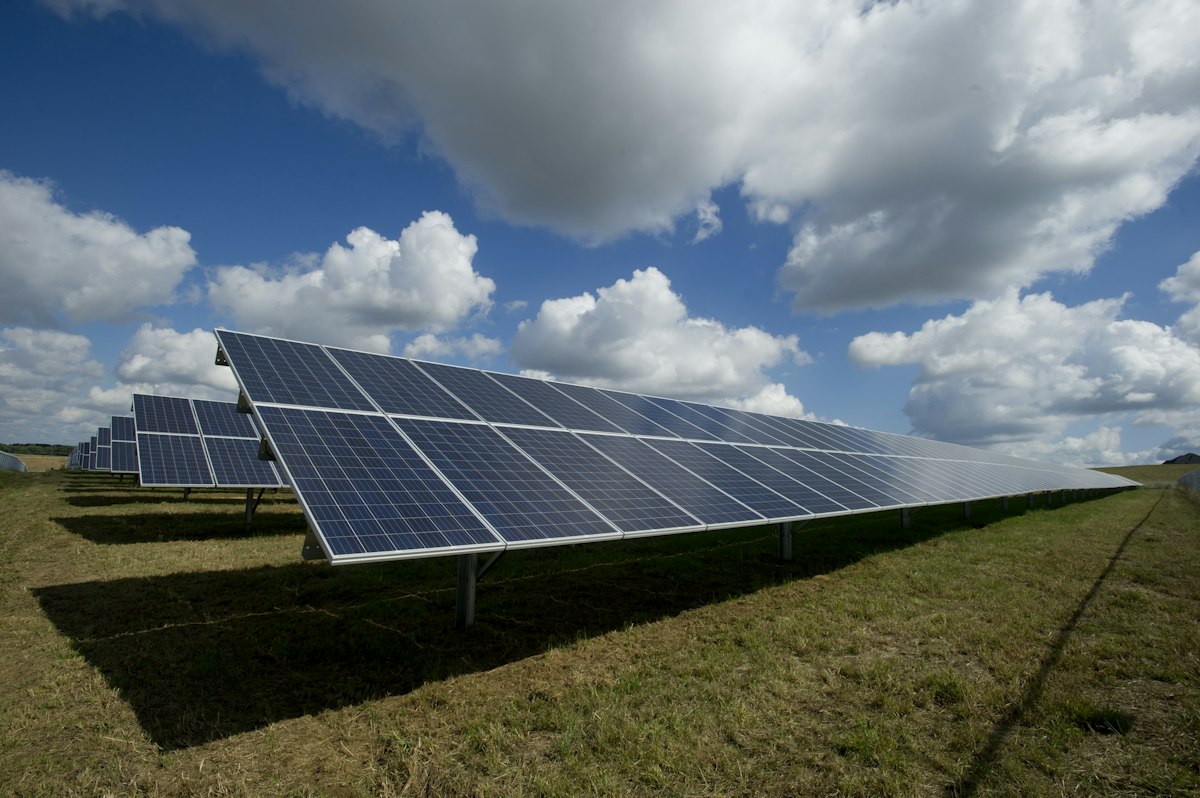
Solar systems reduce energy consumption (kWh) but do not reduce demand charges. Under Rate 22 with an active ratchet clause, an operation might install a solar system that eliminates 60% of their energy charges — and find that their total bill drops by only 25–30%, because demand charges under the ratchet provision remain unchanged.
A proper energy assessment before any solar project reviews your specific rate class, the demand history on your account, and whether the ratchet clause is actively affecting your billing demand. This analysis often reveals:
- Whether demand charges are a larger cost driver than energy charges on your account
- What demand management strategies could reduce your ratchet baseline
- Whether load shifting, LED upgrades, or battery storage should be part of the project before or alongside solar
- Whether your rate classification is actually appropriate for your load profile — and in some cases, whether a rate change conversation with Fortis is warranted
How to Know Which Rate You're On
Your rate class appears on your Fortis Alberta bill, typically in the account information or rate tariff section. If you're not sure, call Fortis Alberta's business customer line and ask which rate class your account is billed under and what the demand history on your account looks like.
Alternatively, a QuotePath energy audit will identify your rate class and demand history as part of the standard billing analysis. We review 12 months of utility bills, identify the rate structure, calculate what proportion of your total costs are demand-based vs. energy-based, and build a complete picture of where your electricity dollars are going before recommending any solution.
If your operation is in Fortis Alberta territory and you're considering solar, LED, or any other energy investment — start with the audit. Book your free energy audit here or call 403-608-3750.
Free Energy Assessment
Talk to Darryl White
Rocky View County, Airdrie, Cochrane, Crossfield, Carstairs, and surrounding areas. No commitment — just a clear picture of your energy costs and options.