Where Alberta Farm Energy Costs Are Heading in 2026 — and What to Do About It
Alberta electricity rates have been volatile. Here's a straight look at what's driving farm energy costs in 2026 and what farm operations can do to protect themselves.
Alberta farm energy costs have been on an upward trajectory, driven by a combination of rising electricity rates, transmission and distribution charges, and the continued complexity of demand charge billing for agricultural operations. Here's a straight look at where things stand in 2026 and what farm operations can do to reduce exposure.
What's Driving Farm Energy Costs in Alberta
Alberta's deregulated electricity market means farm operators face several distinct cost components:
- Energy charges — the commodity cost of electricity, which fluctuates with the Alberta pool price. Fixed-rate retail contracts provide price certainty but may or may not deliver savings depending on market conditions
- Distribution charges — Fortis Alberta transmission and distribution charges have increased significantly in recent years, driven by infrastructure investment. These are largely unavoidable regardless of what you do with your energy supply
- Demand charges — for operations on Rate 21 or Rate 22, demand charges based on peak kVA have increased alongside the distribution rate increases. These are addressable through operational and equipment changes
- Administration and ancillary fees — a growing component of total bills that often gets overlooked in energy cost analysis
The Long-Term Rate Direction
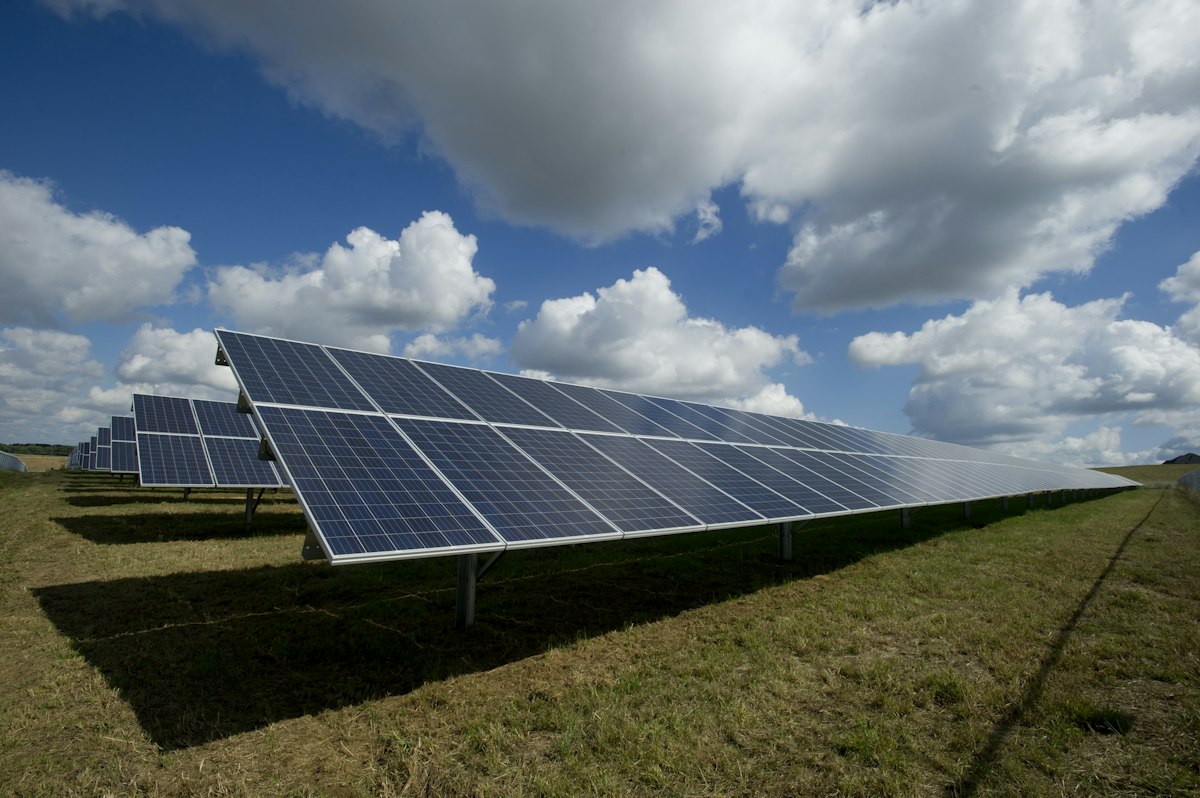
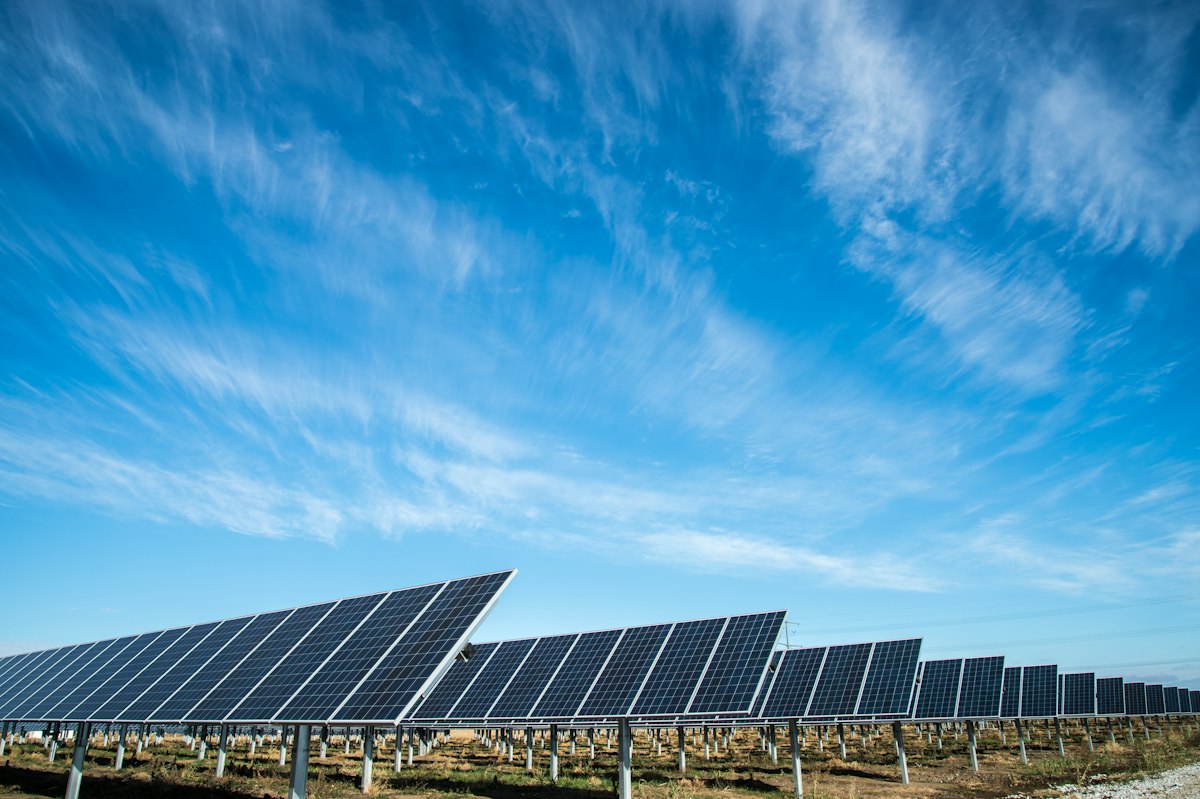
Without making specific predictions, the structural direction of Alberta electricity costs is upward. Grid infrastructure investment continues, distribution charges are increasing, and the transition to more renewable generation (which requires backup and storage infrastructure) adds costs to the system over time. Farm operations that lock in solar generation today are effectively protecting a portion of their energy costs against this long-term trend.
What Farm Operations Can Do Now
The most effective near-term actions for Alberta farm operations facing rising energy costs:
- Understand your rate structure — many farm operations don't fully understand what they're being charged and why. A rate analysis can identify whether you're on the optimal rate class and whether operational changes could reduce demand charges
- Address lighting loads — LED lighting is the fastest-payback energy upgrade available and directly reduces both energy and demand charges. For operations with significant barn, shop, or arena lighting, this is almost always the first priority
- Evaluate solar timing — solar economics are strong right now, and waiting for rates to rise further before acting means paying higher bills in the interim. The audit-first approach ensures any solar investment is sized correctly
- Review retail arrangements — if you're on a floating rate, reviewing fixed-rate options may provide cost certainty during volatile periods
Start with the Audit
The right starting point for any Alberta farm operation looking to reduce energy costs is a full energy audit — understanding exactly where your energy dollars are going before deciding what to change. QuotePath provides free energy audits for farms, acreages, and commercial properties across Alberta. No cost, no obligation, straight answers. Book your free audit to get started.
Free Energy Assessment
Talk to Darryl White
Rocky View County, Airdrie, Cochrane, Crossfield, Carstairs, and surrounding areas. No commitment — just a clear picture of your energy costs and options.