Free Energy Audits for Alberta Commercial Buildings: What to Expect and What You'll Find
Commercial buildings in Alberta often have significant untapped energy savings. Here's what a QuotePath commercial energy audit covers and what findings are most common.
Most Alberta commercial building owners have a general sense that their energy costs are high — but relatively few have a clear picture of exactly what's driving those costs, which line items are controllable, and what realistic savings are available from different upgrade paths. That's the gap a QuotePath commercial energy audit is designed to fill.
Who the Audit Is For
QuotePath's commercial energy audit is designed for:
- Commercial building owners in central and southern Alberta — retail, office, light industrial, warehousing
- Farm operations with significant commercial infrastructure — large shops, processing facilities, grain handling
- Agricultural businesses with multiple buildings and complex rate structures
- Any commercial operation with a monthly electricity bill above $1,500 that hasn't had a structured review of their energy cost drivers
The audit is free, independent, and obligation-free. QuotePath doesn't sell solar panels or LED fixtures directly — our business model is connecting clients to the right solutions through vetted installer networks, which means our recommendations are driven by what actually makes financial sense for your specific situation.
What the Audit Covers
Rate Structure Analysis
The first thing we examine is your rate structure — which rate class you're billed under, what the components of your bill are, and whether your rate classification is appropriate for your load profile.
Commercial properties in Alberta are billed under ATCO Electric or Fortis Alberta commercial rate classes. The specific rate class determines how demand charges are calculated, whether ratchet clauses apply, and how the distribution components are structured. We've found cases where commercial operations were on rate classes that weren't optimal for their load profile — and where a conversation with the utility about reclassification resulted in meaningful billing reductions.
Demand Charge Review
For most commercial buildings, demand charges are either the largest or second-largest component of the electricity bill. We review 12 months of demand history, identify peak demand events and what drove them, and assess whether ratchet provisions are elevating billing demand above the operation's current typical peak.
This analysis often identifies load management opportunities — equipment startup sequencing, scheduling adjustments, or controls modifications — that can reduce peak demand without any capital investment.
Lighting Assessment
Lighting is the most common and most impactful energy upgrade opportunity in commercial buildings. We inventory existing fixtures, calculate current energy consumption and demand contribution, and model the savings available from LED upgrades.
For commercial buildings running older T8 fluorescent, T12 fluorescent, or HID lighting, LED upgrades typically reduce lighting energy consumption by 50–70% with payback periods of 2–4 years before incentives. For buildings with long operating hours — retail, warehousing, agricultural facilities — paybacks under 3 years are common.
HVAC and Major Equipment Review
Where applicable, we review major HVAC and process equipment loads — identifying demand contribution from large motors, compressors, and heating/cooling systems. For some commercial buildings, HVAC-related demand peaks are significant drivers of demand charges.
Solar Assessment
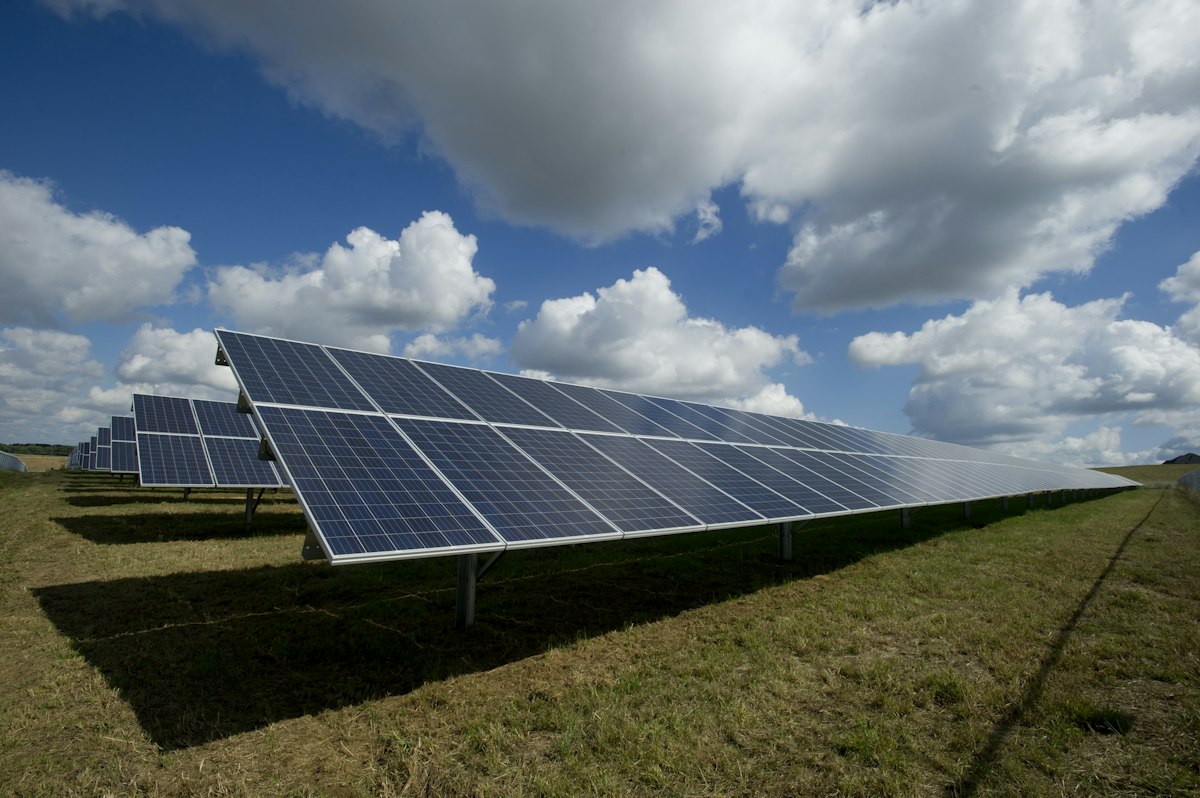
After reviewing the full load profile and identifying efficiency opportunities, we model solar generation potential for the property — sized against the post-efficiency load, not the pre-efficiency baseline. For commercial buildings with significant daytime loads, solar can be a strong investment after the efficiency groundwork is done.
Most Common Findings in Alberta Commercial Buildings
After conducting audits across central and southern Alberta commercial properties, the most common findings are:
- Significant LED opportunity: The majority of commercial buildings we assess are still running inefficient lighting — T8 fluorescent in offices and retail, metal halide or HPS in warehouses and shops. LED retrofits typically deliver the highest and fastest ROI of any upgrade.
- Elevated demand from historical peaks: Ratchet provisions leave many commercial accounts paying demand charges that reflect equipment or loads no longer operating. Rate review and demand management strategies can reduce this.
- Rate class mismatches: Occasionally, operations are on rate classes that don't fit their load profile — often because they've changed size or operations since the rate class was originally assigned.
- Grant programs not accessed: Most commercial operations haven't systematically reviewed what grant and incentive programs apply to them. The OFEM program, Federal CCA, and various provincial programs frequently go unclaimed.
The audit typically takes 45–60 minutes of your time — reviewing your bills remotely and discussing your operation. Book your free commercial energy audit here or call 403-608-3750.
Free Energy Assessment
Talk to Darryl White
Rocky View County, Airdrie, Cochrane, Crossfield, Carstairs, and surrounding areas. No commitment — just a clear picture of your energy costs and options.