Why Alberta Commercial Energy Costs Keep Rising — and What to Do About It
Alberta commercial electricity costs have been rising steadily. Here's what's driving the increases and the most effective ways for commercial operations to reduce their exposure.
Alberta commercial and industrial electricity costs have risen significantly over the past five years, and the trajectory shows no sign of reversing. For farms, commercial properties, and industrial operations, energy is increasingly a material operating cost — and one that requires active management rather than passive acceptance.
Here's an honest look at what's driving Alberta commercial energy costs higher, and the most effective strategies for reducing exposure.
What's Driving the Increases
Distribution Charges Are Rising
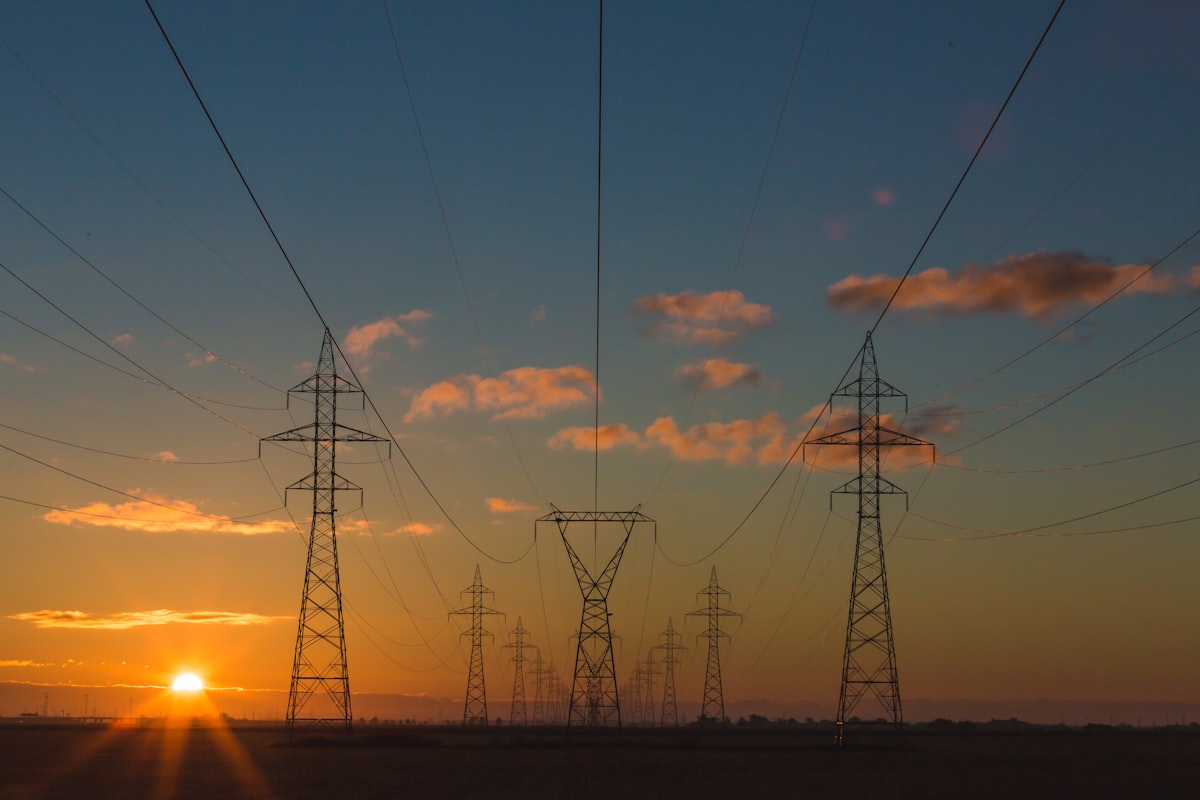
Distribution charges — the costs of maintaining the local electrical distribution network — have been rising consistently as Alberta's distribution utilities invest in aging infrastructure. These charges appear as separate line items on commercial bills (Distribution Demand Charge, Distribution Energy Charge, Local Access Fee) and in many cases have grown faster than the energy rate itself.
Distribution charges are largely fixed relative to your demand and consumption — they go up whether electricity market prices are rising or falling. For commercial operations, distribution charges can represent 35–50% of the total electricity bill.
Demand Charge Complexity
Alberta's commercial rate structures bill demand charges based on peak consumption intervals, and for some rate classes, include ratchet clauses that set minimum billing demand based on historical peaks. As operations add equipment, expand facilities, or change their operating patterns, demand charges often ratchet upward without a corresponding reduction when activity decreases.
Many commercial operators don't realize their demand charges are elevated by past peak events that no longer reflect current operations. A rate review and demand history analysis often reveals billing demand that could be reduced through operational changes.
Retail Rate Volatility
Alberta has a deregulated electricity retail market, which means energy rates vary by retailer and contract terms. Operations on the Regulated Rate Option (RRO) are exposed to quarterly rate adjustments based on market conditions. Operations on fixed-rate retail contracts face re-pricing at renewal. The retail energy market adds a layer of cost uncertainty that has generally moved upward over time.
The Most Effective Strategies for Cost Reduction
1. Rate Structure Review
Before investing in any energy upgrade, understand exactly what you're paying for. A line-by-line review of 12 months of bills identifies which charges are largest, whether your rate class is appropriate for your load profile, and whether any operational changes could reduce billing demand. This is the most overlooked starting point — and the one that costs nothing.
2. LED Lighting Upgrades
For most Alberta commercial operations with significant lighting loads, LED upgrades deliver the fastest and most predictable energy cost reduction available. A commercial office building, warehouse, or retail facility running older fluorescent or HID lighting can reduce lighting-related energy consumption by 50–70%, with payback periods of 2–5 years before incentives. For operations running lights long hours, paybacks under 3 years are common.
LED upgrades also reduce demand — permanently lowering the peak draw from lighting and reducing demand charges across every billing period going forward.
3. Solar Installation
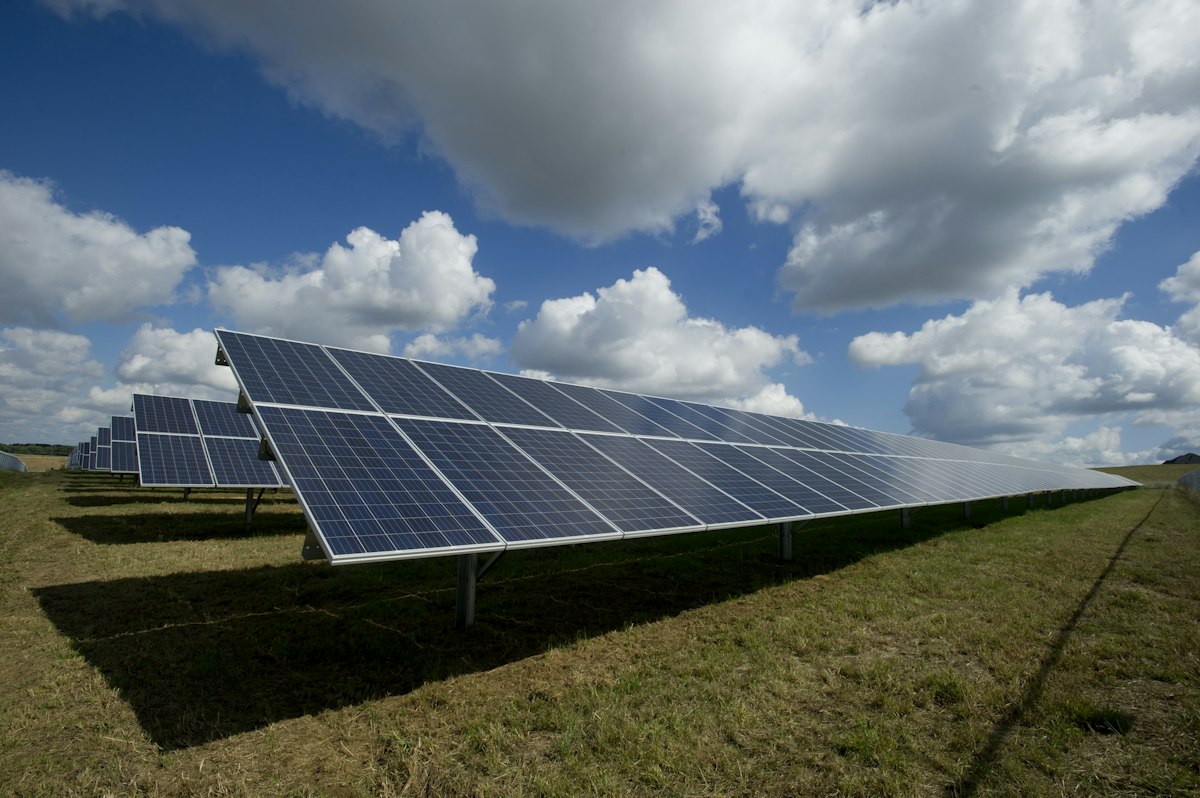
Commercial solar in Alberta has strong economics, particularly for operations with large, consistent daytime loads. The Federal Capital Cost Allowance allows full deduction of solar equipment cost in the year of purchase, reducing the effective net cost by 25–35% for most commercial operations. Net metering credits offset energy charges under Alberta's Micro-Generation Regulation.
The critical caveat: solar must be sized against the correct load profile and rate structure. A system sized without accounting for demand charges will deliver less total savings than projected. This is why the audit step is non-negotiable for commercial solar projects.
4. Demand Management
For operations where demand charges are a significant cost driver, demand management strategies — load scheduling, staggered equipment startups, demand controllers — can reduce peak demand and lower demand charge billing. The potential savings depend on the specific operation, but for facilities with multiple large loads that can be staggered, demand management can reduce demand charges by 15–30%.
Starting With the Right Analysis
Every effective commercial energy cost reduction strategy starts with understanding the full billing structure — not just the total bill, but the individual components driving costs. A QuotePath energy assessment does exactly this: reviewing your rate structure, demand history, billing components, and identifying the highest-ROI opportunities for your specific operation.
The assessment is free and independent — we don't sell solar or LED directly. Book your free commercial energy audit here or call 403-608-3750.
Free Energy Assessment
Talk to Darryl White
Rocky View County, Airdrie, Cochrane, Crossfield, Carstairs, and surrounding areas. No commitment — just a clear picture of your energy costs and options.